On this page
- Why Renters Need Damage-Free Earthquake Safety
- No-Drill Methods to Secure Furniture and Electronics
- Safeguarding Tall Bookshelves and Flat-Screen TVs
- Identifying Safe Zones in Small Living Spaces
- What to Ask Your Landlord Before and During Your Lease
- Actionable Steps to Protect Your Rental Home Today
- Frequently Asked Questions
How to Earthquake-Proof Your Apartment as a Renter
Earthquake proof apartment strategies for renters can secure your space without losing your deposit. Learn damage-free anchoring and safety tips.
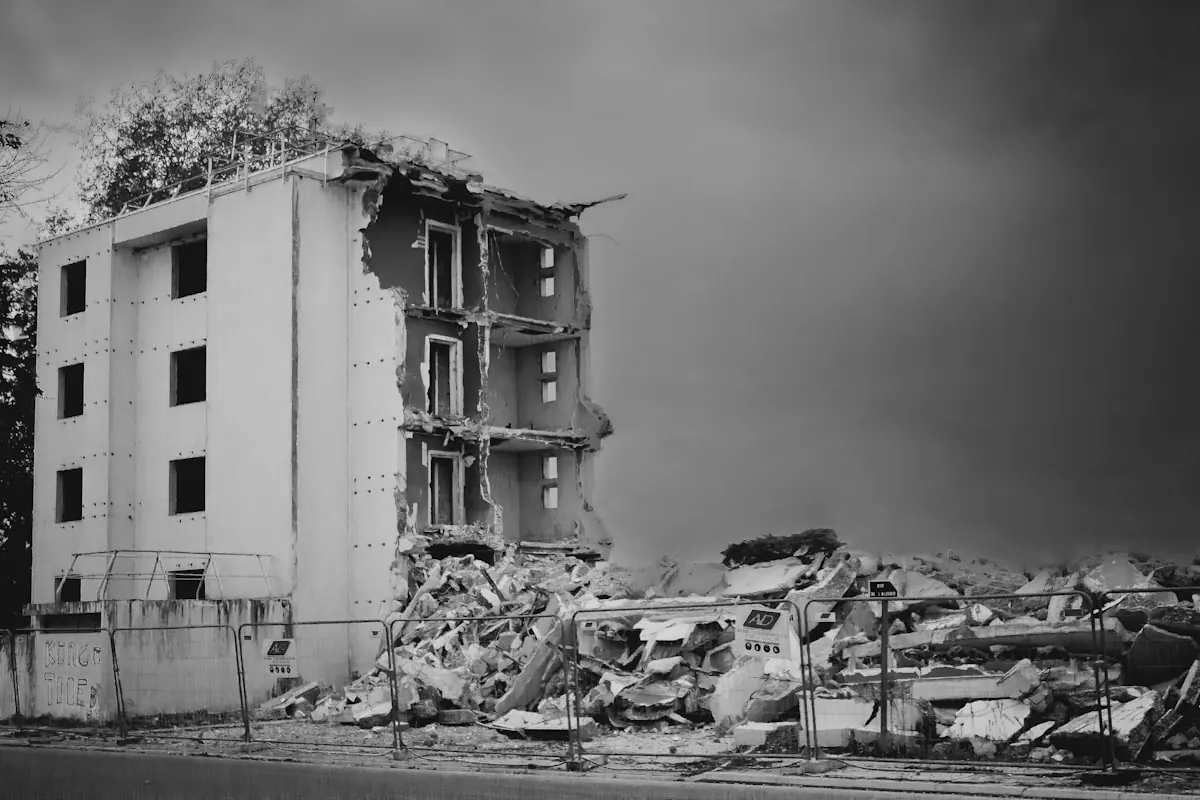
Why Renters Need Damage-Free Earthquake Safety
Renting an apartment should not mean sacrificing your safety when seismic activity strikes. Creating an earthquake proof apartment environment allows tenants to reduce injury risks and property destruction while keeping security deposits intact. Many renters assume seismic retrofitting requires major architectural changes, but substantial protection comes from simple adjustments within individual units.
Seismic forces exert powerful lateral acceleration on structures and their contents during an earthquake. Unsecured furniture, heavy appliances, and wall-hanging decor become dangerous projectiles or tip-over hazards when ground motion begins. Reviewing basic earthquake safety at home principles gives you the foundation needed to mitigate these indoor risks effectively.
Landlords often restrict structural alterations, drilling into studs, or removing fixtures in lease agreements. Fortunately, modern security hardware and creative layout choices allow renters to implement high-level safety measures without damaging drywalls or wood trim. Understanding how forces act on household items helps you select non-invasive solutions that hold firm during violent shaking.
No-Drill Methods to Secure Furniture and Electronics
Heavy furniture like dressers and storage cabinets can easily tip forward during intense ground motion. Heavy-duty adhesive furniture straps offer a strong alternative to traditional metal brackets that require drilling into wall studs. These straps use industrial-grade adhesives capable of holding hundreds of pounds when applied properly to clean, flat surfaces.
Electronics such as flat-screen televisions, computer monitors, and desktop towers are particularly vulnerable to sliding or falling. Quake putty, museum gel, and specialized micro-hook fasteners grip smooth counter tops and media stands without leaving residue or stripping paint. Placing small amounts of museum gel under decorative ceramics, glassware, and small electronics prevents them from shifting off shelves.
Appliance latches and tension rods provide additional protection in kitchen spaces where cabinet doors often swing open during tremors. Installing childproof safety locks or magnetic catches on upper cabinets keeps heavy plates and glassware from spilling onto the floor. Simple tension bars placed inside pantry shelves keep boxed goods and glass jars stable during moderate shaking events.
Safeguarding Tall Bookshelves and Flat-Screen TVs
Tall, narrow furniture items present the highest risk of tipping over during strong seismic activity because their center of gravity sits high above the floor. Renters can secure these items by placing heavier objects, such as dense textbooks or storage bins, on the lowest shelves to shift the center of mass lower. Angle-iron braces fastened with heavy adhesive pads can secure the top shelf directly to the wall without deep screw holes.
Televisions mounted on stands require dedicated safety straps anchored to the media console itself rather than the wall stud. Multi-strap television locks attach directly to the mounting holes on the back of your television set and clamp onto the back of the television stand. This system ensures the television and the cabinet move together as a single unit rather than falling forward into the room.
If you need to know what to do during an earthquake, avoiding falling furniture should be your immediate priority. Keeping heavy mirrors and framed artwork away from beds, sofas, and main walkways prevents glass shattering near where people rest or evacuate. Use heavy-duty adhesive wall hangers designed for temporary mounting to lock artwork securely at both top corners.
Identifying Safe Zones in Small Living Spaces
Apartment floor plans often feature compact spaces where furniture placement requires careful planning to prevent trapped pathways. Identifying safe zones inside small apartments involves locating sturdy furniture pieces that offer reliable shelter from falling debris. A solid hardwood dining table or thick desk provides superior cover during seismic shaking compared to flimsy glass tables or soft sofas.
If a sturdy table is not available nearby, positioning yourself next to an interior load-bearing wall away from windows offers reliable shelter. Avoid standing near tall glass windows, sliding balcony doors, or hanging light fixtures that could shatter or drop under stress. Mapping out your space beforehand ensures that every room has at least one clear designated drop zone.
Keeping exit pathways clear is crucial for post-earthquake safety in high-density residential buildings. Secure hallway shoe racks, coats, and decorative items that could block door frames or corridor access if knocked down. Integrating these layouts into a broader earthquake preparedness guide helps all apartment occupants react swiftly and calmly when shaking begins.
What to Ask Your Landlord Before and During Your Lease
Building structural integrity plays a pivotal role in overall seismic safety for multi-family housing units. Before signing a lease agreement, ask the property manager or landlord about the building year of construction and any seismic retrofits completed on site. Structures constructed before 1980 often benefit from foundation bolting or soft-story retrofitting, especially if parking garages occupy the ground floor.
Discuss minor safety modifications with your landlord to establish clear expectations regarding property repairs upon move-out. Most landlords welcome sensible safety upgrades, such as securing water heaters or permitting small pilot holes for furniture anchors if repaired before leaving. Obtaining written permission for minor wall anchor installations ensures you protect both your personal physical safety and your security deposit.
Inquire about building emergency protocols, utility shut-off valve locations, and building manager contacts for post-disaster response. Knowing where the main gas shut-off valve is located and whether the building has automatic seismic shut-off valves gives you valuable context during emergencies. Requesting clear instructions on building fire exits and emergency gathering points helps prepare everyone in the complex.
Actionable Steps to Protect Your Rental Home Today
Transform your rental unit into a resilient living space by taking incremental steps every weekend. Start by evaluating your primary sleeping and sitting areas, moving heavy wall hangings and tall shelving away from headboards and seating. Next, apply museum gel to delicate collectibles on high shelves and install safety latches on upper kitchen cabinets.
Complete your apartment preparation by assembling an accessible emergency kit stocked with water, non-perishable food, flashlights, and a first aid kit. Store these supplies in an easily accessible closet near your primary exit rather than under heavy piles of storage containers. Taking control of your living environment through these proactive measures delivers peace of mind regardless of where you rent.
Related Reading
Earthquake Safety at Home Guide
Learn practical techniques to secure room hazards and safeguard your household from seismic damage.
What to Do During an Earthquake
Discover step-by-step protective actions to keep yourself safe when ground shaking begins.
Complete Earthquake Preparedness Guide
Explore comprehensive strategies for emergency supplies, communication plans, and long-term resilience.
FAQ
Frequently Asked Questions
Can I anchor furniture in an apartment without drilling holes into the wall?
Yes, heavy-duty adhesive straps and museum wax allow you to secure furniture and decor without drilling holes. These products hold significant weight and peel off cleanly using heat or adhesive removers when you move out.
Where is the safest place to take cover during an earthquake in a small studio apartment?
The safest spot is under a sturdy hardwood table or desk away from windows and heavy hanging items. If no table is available, drop and cover your head against an interior wall away from glass and tall furniture.
How do I secure a flat-screen television on a rental television stand?
You can use anti-tip TV safety straps that attach to the VESA mounting holes on the back of your television. Clamp or stick the straps directly to the media console so the television and stand move together as one unit.
What should I ask my landlord about earthquake safety before signing a lease?
Ask about the construction year of the building, whether seismic retrofitting or soft-story reinforcements were completed, and the location of main gas shut-off valves. You should also ask if small wall anchors are permitted for furniture stability.
Does renters insurance cover damage caused by earthquakes?
Standard renters insurance policies usually exclude earthquake damage. You must purchase a separate earthquake endorsement or standalone policy to cover your personal belongings and temporary living expenses after an event.
Monitor Seismic Activity Worldwide with Earthquake Globe
Track global tremors in real time and monitor seismic events near your area with interactive 3D mapping.