On this page
- The 1755 Lisbon Earthquake: A Historic Cataclysm
- A Triple Disaster: Earthquake, Tsunami, and Fire
- Influence on the Enlightenment and European Thought
- Pombaline Reconstruction: Pioneering Engineering
- Portugal's Geological Context: An Active Zone
- Monitoring and Prevention Today
- Stay Informed with Earthquake Globe
- Frequently Asked Questions
The Great Lisbon Earthquake and Its Lessons
The 1755 Lisbon earthquake, a major event, transformed the city and European thought. Discover its history and seismic risk.
The 1755 Lisbon Earthquake: A Historic Cataclysm
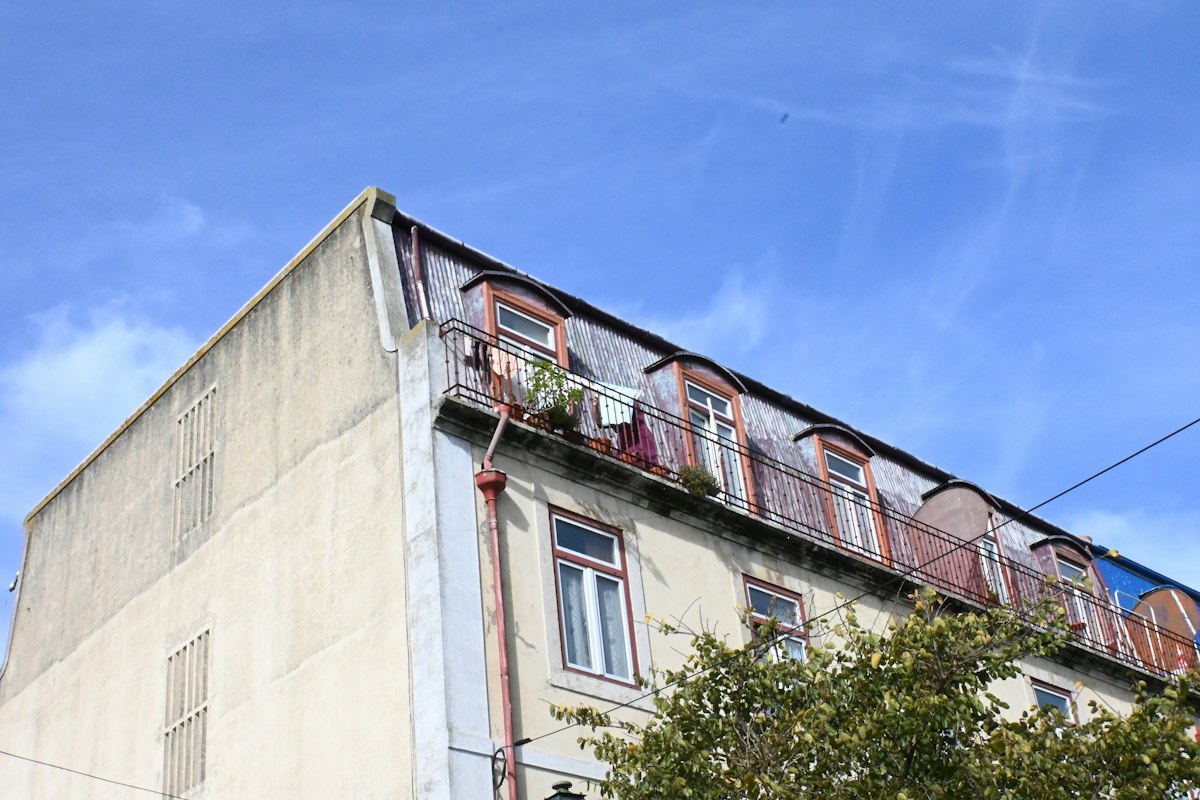
On November 1, 1755, on All Saints' Day morning, an event of unprecedented scale struck Lisbon. This devastating Lisbon earthquake, estimated between M8.5 and M9.0, not only annihilated the Portuguese capital but also had profound repercussions on European thought and disaster management. The shockwave of this earthquake was felt as far as Finland and beyond, demonstrating its immense power.
This event is considered one of the most significant earthquakes in history for its exceptional intensity and lasting cultural impact. The scale of the destruction challenged contemporary ideas about divine providence and the nature of natural disasters. On that day, one of Europe's most important cities was almost entirely razed.
Estimates vary, but it is believed that between 30,000 and 50,000 people perished in Lisbon alone. These tragic losses were the combined victims of the earthquake itself, the subsequent tsunami, and the massive fires that followed. This event forced a complete re-evaluation of urban planning and risk management.
A Triple Disaster: Earthquake, Tsunami, and Fire
The main earthquake struck around 9:40 AM, at a time when many worshippers were attending mass in crowded churches. The ground shaking lasted between three and six minutes, causing the spectacular collapse of most buildings, including many iconic structures. The historic city center, built on alluvial deposits and ancient sediments, experienced particularly violent tremors and soil liquefaction phenomena.
Approximately forty minutes after the main shock, a gigantic tsunami swept over the coast, with waves reaching up to six meters high in the Tagus River. Many people who had fled to the waterfront, thinking they would find refuge there, were swept away without warning. This phenomenon significantly amplified the human toll and the destruction of port areas.
To top off this series of misfortunes, candles lit in churches for All Saints' Day and domestic fires ignited massive blazes across the city. Fueled by strong winds and making extinguishing efforts impossible due to blocked streets and water shortages, these fires ravaged Lisbon for several days, destroying what the earthquake and tsunami had spared.
Influence on the Enlightenment and European Thought
The apocalyptic destruction of Lisbon shocked all of Europe, sparking an intense intellectual debate among Enlightenment thinkers. The philosopher Voltaire, deeply affected by the tragedy, criticized the philosophical optimism of his time in his "Poem on the Disaster of Lisbon." He questioned the idea of a "best of all possible worlds" in the face of such suffering.
Later, in his famous philosophical tale "Candide," Voltaire continued to explore these themes, using the earthquake as a powerful symbol of human suffering and the absurdity of evil in the world. Jean-Jacques Rousseau, on the other hand, emphasized that the catastrophe was exacerbated by human concentration in poorly built cities, criticizing the urban lifestyle. This debate was fundamental to the evolution of philosophical thought.
The Lisbon earthquake not only destroyed buildings and lives, it also shook the foundations of European thought. It encouraged a more scientific and rational approach to the study of natural disasters. This event contributed significantly to the birth of modern seismology as a scientific discipline.
Pombaline Reconstruction: Pioneering Engineering
Amidst chaos and despair, the Prime Minister, the Marquis of Pombal, demonstrated extraordinary vision and determination. His response was pragmatic and swift, ranging from immediate relief organization to ambitious planning for the city's reconstruction. His famous directive, "Bury the dead, and feed the living," showed a keen sense of priorities in the face of the emergency.
Lisbon was rebuilt according to an urban plan revolutionary for its time, characterized by wide, straight streets, majestic squares, and uniform buildings. For the very first time in urban planning history, anti-seismic construction techniques were systematically applied on a large scale. These innovations were truly ahead of their time, marking a turning point.
The central concept was the "gaiola pombalina" (Pombaline cage), a flexible internal wooden structure integrated into building walls, acting as a resistant frame and dissipating shock energy. Tests were even carried out scientifically, by having troops march around models to simulate earthquake vibrations. This was a pioneering approach to seismic engineering and urban resilience. To learn more about protection, see our safety guides.
Portugal's Geological Context: An Active Zone
Portugal is located in a geologically complex region, near the Azores-Gibraltar fracture zone. This is a plate boundary where the Eurasian Plate and the African (or Nubian) Plate meet and interact. This geological interaction, primarily compression and shear, is the main cause of seismic activity in the region.
Although most of this plate boundary is submarine, it is capable of generating very powerful earthquakes, as evidenced by the 1755 event, which can also cause devastating tsunamis. The Lisbon earthquake likely occurred on one of these underwater faults, a significant distance from the coast. It is a constant reminder of the dynamic and unpredictable nature of our planet.
Seismic activity regularly occurs off the Portuguese coast and in the south of the country, although most events are of low to medium magnitude. The depth of some earthquakes can also influence how they are felt on the surface, with deep events being less destructive for the same magnitude. Understanding these mechanisms is crucial for risk assessment.
Monitoring and Prevention Today
Today, Portugal actively monitors its seismic activity through dedicated institutions like IPMA (Instituto Português do Mar e da Atmosfera). Networks of seismographs and other modern instruments record the slightest ground movements, providing essential data for risk assessment and scientific research. This data is vital for public safety.
Although exact earthquake prediction remains an impossible task with current technologies, understanding the recurrence of major events helps better prepare populations and infrastructure. Modern building codes incorporate strict anti-seismic standards, much more sophisticated than the "gaiola pombalina," to protect new structures. Public awareness of appropriate behaviors is also a pillar of prevention.
Experts continue to study the risk of recurrence of a very large earthquake, similar to that of 1755. Continuous preparedness, updated emergency plans, and resilient infrastructure are key measures to reduce the vulnerability of Lisbon and other coastal cities. For more general information, browse our guides on earthquake preparedness.
Stay Informed with Earthquake Globe
For permanent residents or travelers heading to Portugal, staying informed about seismic activity is an essential priority. The Earthquake Globe app allows you to visualize earthquakes in real-time anywhere in the world, including the Iberian Peninsula. You can explore the interactive map and get precise details on each recorded event.
Whether you are in Lisbon, planning a trip, or simply want to follow geological events around the globe, our platform offers easy and intuitive access to USGS data. Follow global seismic activity and better understand the dynamic world around you. It's easy to stay informed with modern tools.
Download the Earthquake Globe app to receive personalized alerts and visualize seismic data on an interactive and immersive 3D globe. It's an essential tool for anyone wishing to actively monitor earthquakes and stay up-to-date with the latest activity. Additionally, our daily blog posts keep you informed of the latest news and scientific analyses.
Related Reading
FAQ
Frequently Asked Questions
What caused the 1755 Lisbon earthquake?
The 1755 earthquake was caused by tectonic activity along the Azores-Gibraltar fracture zone, a complex boundary where the Eurasian Plate and the African Plate interact. This submarine zone is capable of generating very large earthquakes.
What were the main consequences of the Lisbon earthquake?
The consequences were devastating: the city was destroyed by the earthquake itself, followed by a tsunami that swept the coast and massive fires that ravaged what remained. Between 30,000 and 50,000 people died in Lisbon.
What is the "gaiola pombalina"?
The "gaiola pombalina" is a pioneering anti-seismic construction technique implemented during the reconstruction of Lisbon after 1755. It was a flexible internal wooden structure integrated into building walls, designed to better resist seismic tremors.
Is there a risk of a major earthquake in Lisbon today?
Yes, seismic risk persists because Lisbon is located near an active tectonic plate boundary. Seismologists cannot predict the exact moment, but the possibility of another major earthquake, similar to that of 1755, is a long-term geological risk for the region.
How did the 1755 earthquake influence philosophy?
The earthquake profoundly influenced Enlightenment thinkers, notably Voltaire, who questioned the philosophical optimism of his time. It led to a debate on the nature of evil and providence, marking a turning point in Western thought.
Follow Seismic Activity in Lisbon and Worldwide
Download the Earthquake Globe app for real-time seismic data and personalized alerts.