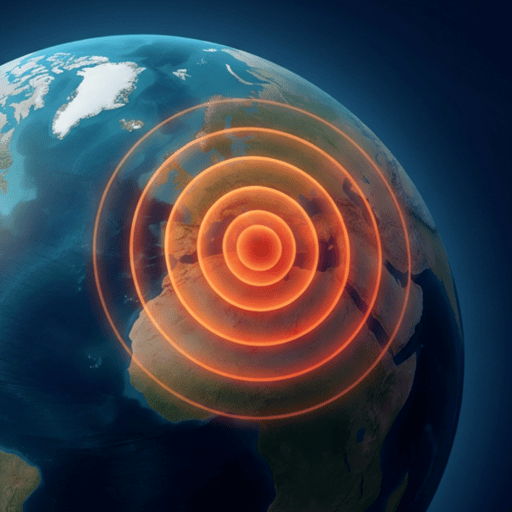
Earthquake Safety Tips: Before, During and After
Essential earthquake safety guide, what to prepare in advance, what to do when shaking starts, and how to stay safe after the event. Includes action checklists for home, car, and outdoors.
Overview
Essential earthquake safety guide, what to prepare in advance, what to do when shaking starts, and how to stay safe after the event. Includes action checklists for home, car, and outdoors.
This article covers the essential information about earthquake safety tips to help you understand the risks, stay informed, and take action when needed.
Key Facts
- Real-time USGS data updates every 60 seconds on the Earthquake Globe map.
- Set custom push notifications with magnitude threshold and geographic radius for any region.
- Monitor high-risk zones including Turkey, Japan, California, and Indonesia.
- Earthquake Globe works offline with cached data, see recent events even without internet.
How to Stay Informed
The best preparation for earthquakes combines physical readiness (emergency kit, family plan, structural awareness) with real-time digital tools. Earthquake Globe provides the digital awareness layer: a live global earthquake map and customizable push alerts for your specific area.
Configure a radius alert of 100-250 km around your location with a M4.0+ threshold to receive meaningful notifications for events that could affect you.
Related Reading
FAQ
Frequently Asked Questions
What is the key takeaway from this article?
Understanding earthquake risks, preparedness strategies, and using real-time tools like Earthquake Globe significantly improves your ability to stay safe and informed during seismic events.
How does Earthquake Globe help with this topic?
Earthquake Globe provides real-time USGS earthquake data on a 3D globe, customizable push notifications with radius and magnitude filters, and offline event caching, giving you situational awareness for any seismic region worldwide.
Where can I learn more about earthquake safety?
The USGS, FEMA, and Red Cross all provide comprehensive earthquake preparedness resources. Earthquake Globe's notification system gives you the real-time awareness component of a complete safety strategy.
Is Earthquake Globe free?
Yes. Earthquake Globe is completely free with no subscriptions, no in-app purchases, and no ads. No account is required.
What is the 'triangle of life' earthquake safety theory?
The 'triangle of life' theory suggests sheltering next to heavy objects rather than under them. This theory is widely rejected by earthquake engineers and emergency management professionals. The Drop, Cover, and Hold On method endorsed by USGS, FEMA, and the Red Cross is scientifically validated and far more effective in modern buildings.
Stay Informed with Real-Time Earthquake Alerts
Free iPhone app. Custom radius + magnitude alerts. No account needed.